
Disclaimer: This guide is not sponsored, not commissioned, and I don’t sell Aflac policies. I’m simply a patient who has personally benefited from them—and I think more patients should know this option exists.
My Personal Story (a.k.a. Why I’ll Never Skip Aflac Again)
When I was a kid, hospital stays were just part of life. My mom was my full-time caregiver, and every admission meant she had to miss work.
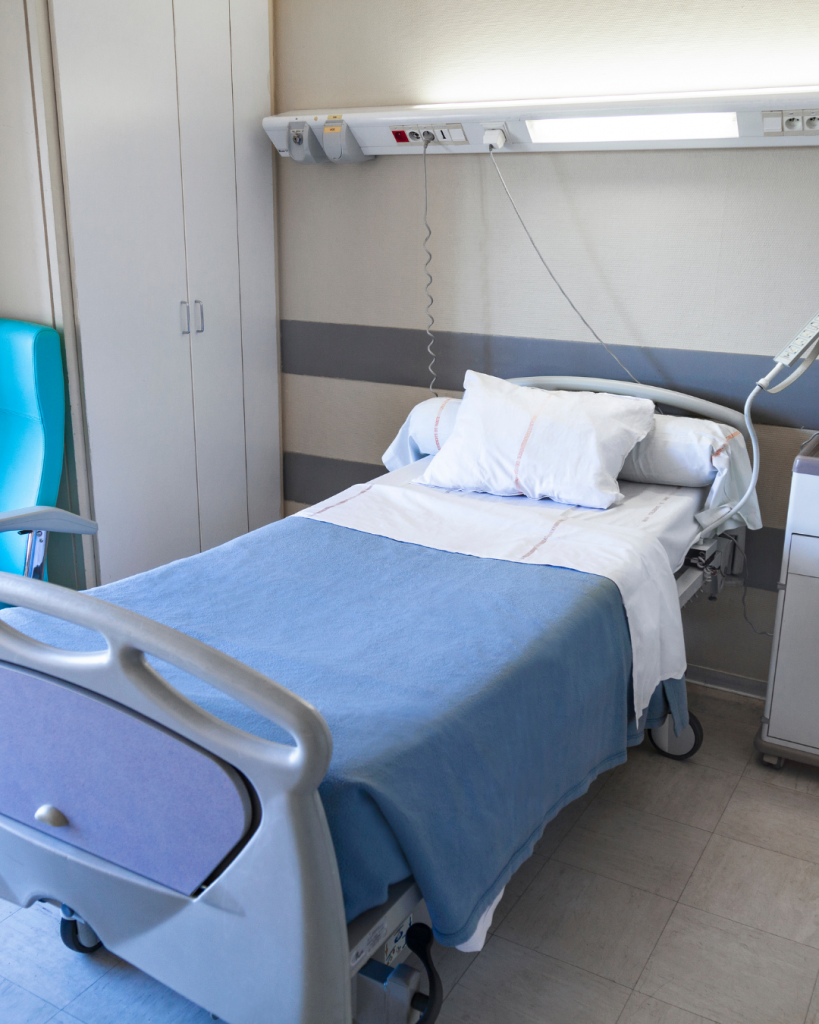
Because she had Aflac, those missed days didn’t throw everything off balance. We weren’t rolling in money, but the extra cushion meant we could focus on getting me better instead of worrying about bills piling up.
Fast forward to adulthood: I went through several “good jobs,” but none offered Aflac. When I finally saw it in a benefits package, I signed up for hospital indemnity, critical illness, and accident coverage without hesitation.
Just a few months later, I needed it — and that payout gave me the same sense of calm I remembered from my childhood. It padded my short-term disability pay and gave me space to recover without spiraling about finances.
And here’s what I wish someone had told me sooner: you don’t have to wait for your employer to offer Aflac. Anyone can buy a policy directly — whether you’re an employee, a freelancer, or just someone who wants that layer of security.
What a Hospital Indemnity Policy Covers
Think of this as your “hospital stay” insurance. Aflac pays you directly—not your hospital, not your doctor, you—every time you are admitted.
Typically, you’ll receive:
- A lump sum payment for admission (often for stays longer than 23 hours)
- Per-day cash payments for each additional day you’re hospitalized
- Additional benefits for ICU stays or surgical admissions
These payments come on top of your health insurance coverage and are yours to use however you want—whether that’s to pay medical bills, cover lost income, or just keep your household running while you recover.
What an Accident Policy Covers
Even if you’re not dealing with a chronic illness, accidents happen. Aflac’s accident policies cover things like:

- ER visits and urgent care trips after an accident
- X-rays, CT scans, and MRIs
- Follow-up visits, physical therapy, and certain medical devices
- Lump-sum benefits for broken bones, burns, concussions, or more serious injuries
If you’re chronically ill, this is especially important—an accident can set off a flare or a hospitalization. This policy helps soften the blow.
What a Critical Illness Policy Covers
This is your big safety net for diagnoses you hope you never hear:
- Cancer
- Stroke
- Heart attack
- Organ failure or transplant
- Other serious conditions (varies by plan)
When one of these diagnoses happens, you receive a lump sum payment—again, directly to you. That cash can fund treatment, travel for specialty care, or simply allow you to take time off to focus on healing.
You Don’t Need an Employer to Get Aflac
This might be the most important thing I can share: anyone can purchase an Aflac policy. You don’t have to wait for open enrollment or work for a company that offers it.
You can:
- Call an Aflac agent in your area and ask for a quote
- Purchase directly online from Aflac’s website
- Customize your coverage to fit your needs and budget
This means patients, caregivers, freelancers, and anyone without traditional employer benefits can still protect themselves from the financial shock of hospitalization or critical illness.
What It Costs & What It Pays (Spoiler: The math actually works)
Typical Costs
Aflac supplemental policies—like hospital indemnity, accident, and critical illness—are generally quite affordable. Many fall in the $8–$25 per month range, though pricing depends on your age, location, and coverage choices Some sources even paint a broader range: $10 to $100 per month, depending on the number and type of policies you combine
For example, in a group setting (like a benefits package at work), some sample hospital indemnity premiums might look like:
- Employee only: ~$21.72/month
- Employee + spouse: ~$41.64/month
- Family: ~$53.74/month
What It Pays When You Need It
It’s not insurance that covers hospital billing. It’s fixed indemnity—meaning you get a flat cash payout directly to you when you hit a qualifying event.
Some illustrative figures:
- A typical hospital admission + confinement in a group plan might pay out:
- $600 for a 2-day stay (admission + daily payment)
- Or $750 depending on benefit levels chosen
- Under the “Aflac Choice Hospital Insurance” plan, pick your benefit level:
- Admission: up to $2,000
- Daily confinement: $100/day
- ICU: $500/day, etc.
- Another example (group benefit):
- Admission: $2,000
- Confinement: $200/day, up to 31 days
- ICU: additional $200/day up to 10 days
Why This Matters for the Really Savvy Patients (That’s you)
- Low monthly investment, high peace-of-mind payoff. You might spend $20–$50/month, and if you ever have even a short hospital stay, you could get back hundreds or thousands—fast.
- Direct-to-you payouts. You get the money. Want to pay your mortgage? Your short-term disability doesn’t run out? Go for it.
- Portable coverage. Many plans stay with you if you change jobs or retire, so your investment isn’t tied to your employer webordering.aflac.cominfinitihr.comaruplab.com.
My Aflac Journey: An Investment I’d Make Again
Not long into my employment with my new company, I ended up having intractable pain from intracranial hypertension and trigeminal neuralgia. I was in the ICU for a few days. After I was released, I began having focal seizures and landed back in the hospital. It was a scary time and candidly, I didn’t even think about what my policy would pay out while I was in the hospital. It wasn’t until I submitted my claim a few days later that I started re-reading my policy and realizing I was in for a pleasant surprise while I waited for the long process of short term disability to kick in. Even with a very strained brain, I was able to complete the paperwork and within two weeks I had a check mailed to me.
In my case, I pay just a few dollars a month as part of my employer’s benefit plan. When I was admitted to the hospital and stayed in the ICU I was paid $2500 for the initial hospitalization and $250 per day in regular hospitalization and $500 for the days I spent in the ICU. The total payment was around $4,200. I was able to use the money for things I really needed help with during my recovery: housekeepers, food delivery, dog walkers, and out of pocket physical therapist.
This is one of the best investments (outside of paying into private short and long term disability) that I think I could have made as a patient.
Final Thoughts
Getting Aflac isn’t about expecting the worst — it’s about protecting your peace of mind so you can focus on getting better when life happens.
For me, this coverage turned moments of crisis into moments where I could actually breathe. It gave me room to focus on recovery instead of obsessing over every bill or calculating how many days of PTO I had left.
You deserve that same calm. Whether you go through your employer or buy a policy on your own, having a financial buffer is one of the simplest ways to make hospital stays a little less overwhelming.
Because at the end of the day, being a chronically ill patient is hard enough. Anything that makes it easier — and gives you back a little control — is worth it.
Hi, I’m Ilana Jacqueline—patient advocate, author of Medical Gaslighting: How to Get the Care You Deserve in a System that Makes You Fight for Your Life and Surviving and Thriving with an Invisible Chronic Illness.

I actually wrote an entire chapter in Medical Gaslighting about your rights to access your medical records—including the legal fine print, how to correct errors, and how to work with (not against) your medical team to get the care you deserve.
If you want to dive deeper, you can find Medical Gaslighting in bookstores everywhere, on Audible, or even for free at your local library.
For more tips, advocacy tools, and a little humor along the way, follow me on Instagram and TikTok @Ilana_Jacqueline.